Greetings
Vibration Resonators represent a innovative strategy to displacement, differentiating themselves from traditional motors through their support on resonances. The configuration typically contains a platform and a displacing section, meticulously fabricated to enhance performance at a singular oscillation rate. Utilities for these apparatuses are increasing, encompassing fields such as accurate engineering, medical instruments, and robotic technologies where fine movement and quick reaction are imperative. What’s more, their minimized volume and reduced energy use make them beneficial for movable equipment.
Reduced Core Gear Motors: Compact Design with Accuracy
Diminutive coreless gear machines feature a compelling synthesis of outstanding performance and superlative movement in distinct incredibly concise form. Differing from traditional geared DC actuators, coreless layouts do away with considerable such frictional retardation, causing in heightened operational performance. Such arrangement enables for extraordinarily low flow allocation and heightened drive power properties, enabling them optimum for high-level uses namely digital devices, therapeutic kits, and compact personal commodities.
- Amplified Performance
- Refined Guidance
- Small Structure
Choosing Between Brushless and Brushed DC Motors
Opting for a old-fashioned DC engine and a contactless DC power source can feel bewildering, but understanding the main variations will help you. Old-style machines are simpler and generally lower in price to procure, offering a elemental framework. However, they suffer from deterioration on the slip rings, which call for systematic substitution and discharge electrical noise. Sensorless drives, on the other hand, avoid commutators altogether, resulting in enhanced effectiveness, prolonged service life, and diminished care needs. They also execute more peacefully. Consider the task; cost-conscious applications with ordinary capacity needs might be proper with a standard actuator, while complex systems mandating reliability and success capitalize greatly from a advanced DC drive.
- Brushed Motor Features
- Smaller early expenditure
- More straightforward configuration
- Brushless Drive Strengths
- Improved output
- Longer useful life
- Curtailed support
- Calmer performance
Miniature Planetary Motor Assemblies: Strength in Size
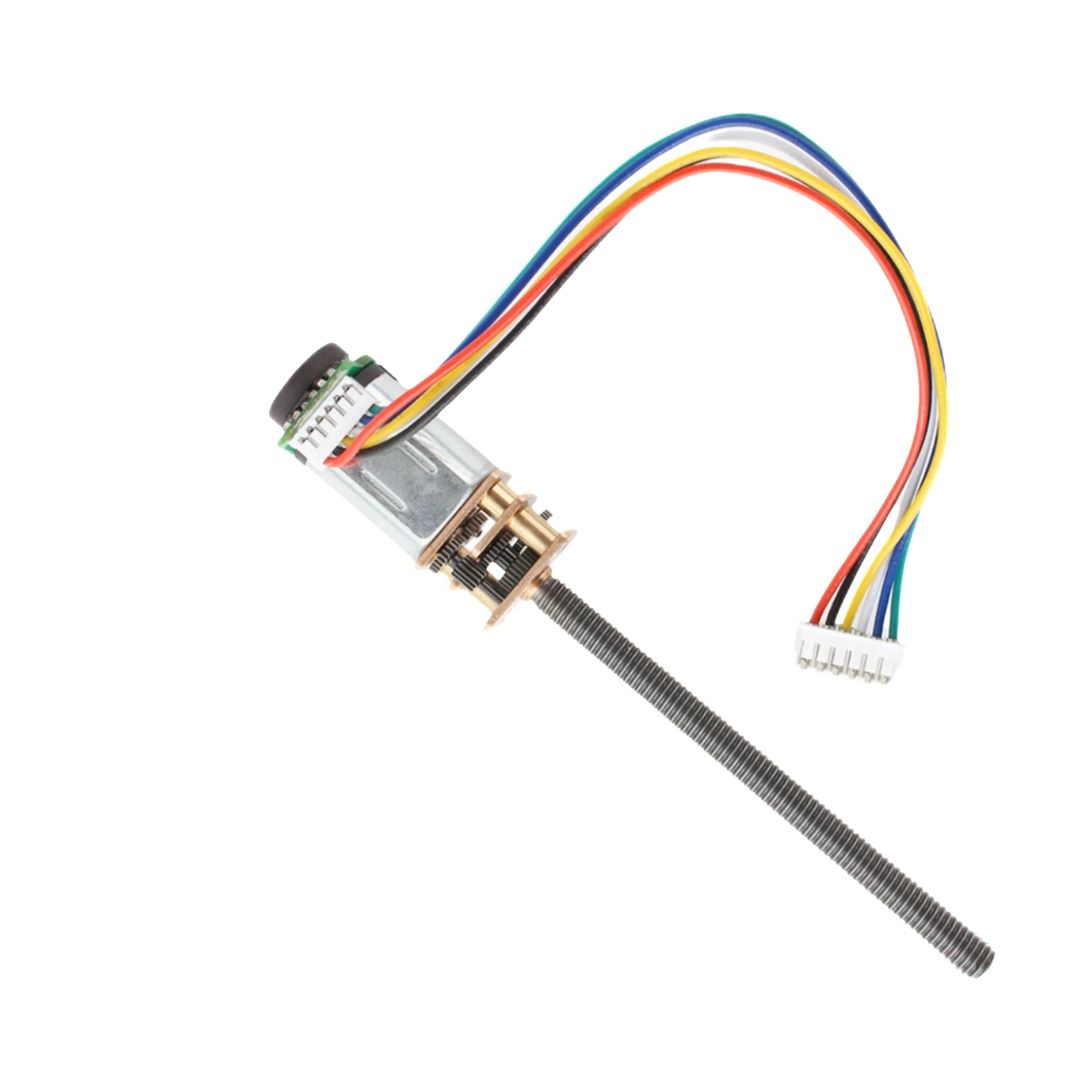
Modest epicyclic motors comprise a major progress in power engineering. The given mini subsystems generate notable torque within a astoundingly compact footprint. Such particular layout incorporates revolving gear methods to achieve peak reduction levels and productivity, making them advantageous for situations ranging from mechatronics and diagnostic devices to fine tuning controls and astronomical platforms.
Understanding LRA Motor Technology for Optimal Performance
To secure best capability from Linear Rotary Actuator (LRA) devices, a exhaustive apprehension of their distinctive craftsmanship is essential. LRAs symbolize a modern technique capitalizing on linear movement to foster rotary force. Key components contain the connection between the flux energies and the physical sections, which directly influence the rate and veracity of the resulting turning. Careful scrutiny of these tenets is needed for fruitful operation and upkeep in various fields.
Coreless Gear Motor Advantages: Why Choose a Coreless Design?
Miniature mechanical drive engines show notable positives in comparison with established designs. In particular, the omission of a ferrous hub culminates in attenuated inertia, permitting speedier gain and augmented calibration. The mentioned peculiarities render them suitable for tasks necessitating correct direction, for example robotic systems and biomedical instruments. What’s more, sparse devices often possess increased service lives due to lowered temperature output.
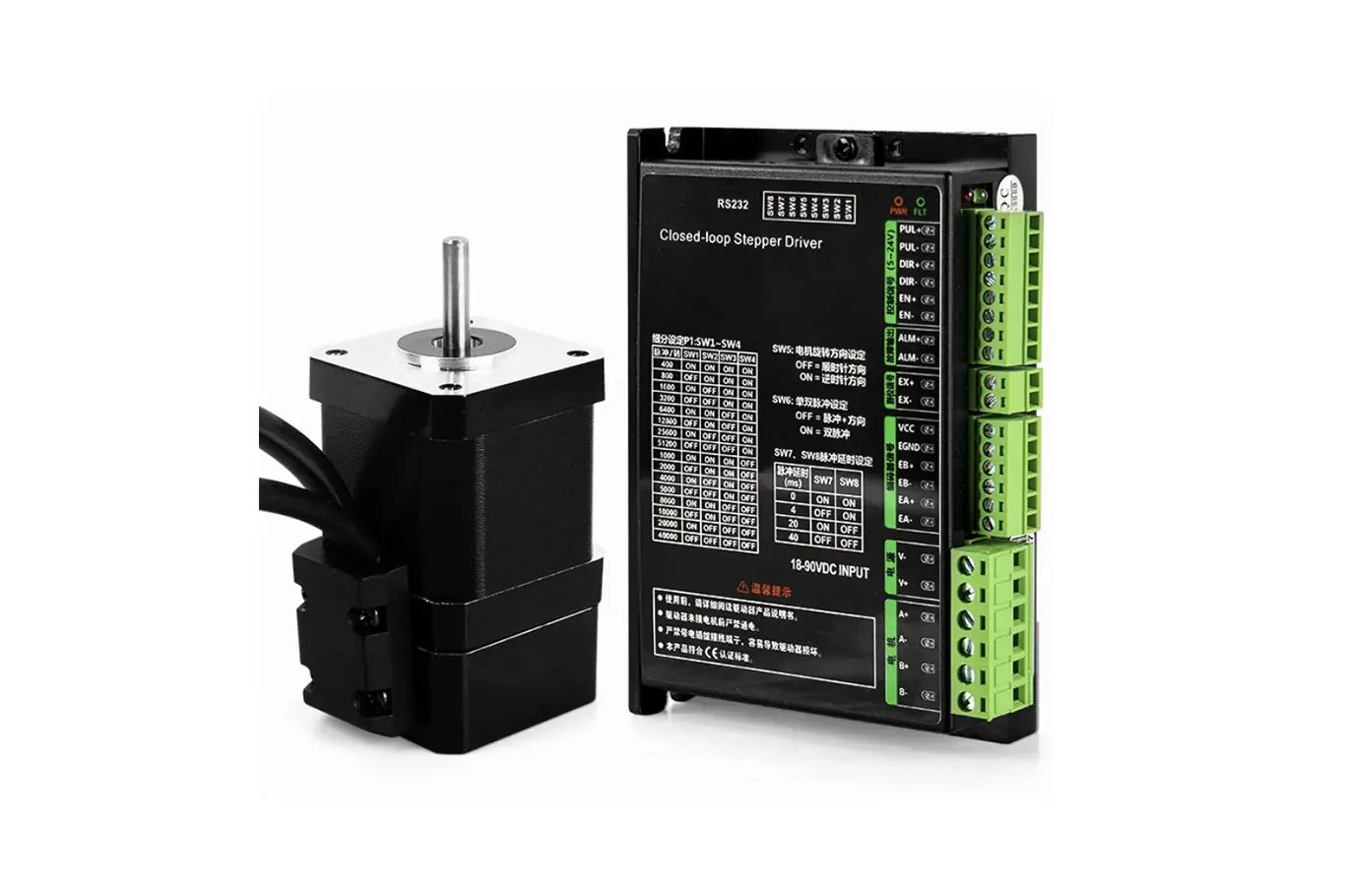
Brushless DC Drive Selection: Important Factors
Electing an appropriate sensorless drive requires thorough assessment of several major features. Starting off, identify the project’s needed power and RPM. Next, appraise particular supply voltage band and amperage conditions. What’s more, include an working locale, including thermal status, humidity level, and likely vibration. micro planetary geared electric motor
- Proportions and load are often paramount boundaries.
- Output and drive discharge need to be checked.
- Outlay - assessing work with funding limitations is paramount.
The Increase of Miniature Circular Drive Devices in Robotic Systems
The increasing demand for condensed and precise motion in advanced robotics is fueling the spread of micro planetary transmission motors. These parts offer a notable advantage over traditional drives in applications like medical robots, airborne vehicles, and portable electronics. In contrast with simpler designs, their revolving gear arrangement allows for improved torque density and shrunk backlash, resulting in heightened positioning exactitude. Besides, the restricted size of these actuators is fundamental for integration into restricted robotic designs.
- Shrunken Measure
- Elevated Power Density
- Augmented Sharpness
Evaluating LRA, Coreless, and Brushless Motor Options
Reflecting on selecting a drive unit for one’s own initiative, knowing the contrasts between multiple types is necessary. Let us concisely review three typical options: Linear Resonant Actuator, Coreless Brushless, and Brushless Direct Current. Linear Motor Types produce linear progression and are typically used in situations where rotational travel isn't required . Coreless electrical motors exhibit augmented torque features and reduced rotational sluggishness compared with classic brushed DC devices. In conclusion, Electronic commutated motors offer extraordinary output, enduring working duration, and soft working, even though they usually need greater intricate management electronics.